Hair loss can affect men and women and can affect confidence, appearance and daily life. For women who are experiencing thinning hair, a receding hairline, or hair loss at the forehead and temples, finding an appropriate restoration option can be an important step to feeling more confident.
If you are an eligible patient and want to learn about hair restoration options and want to preserve the length of your existing visible hair during the procedure then a long hair transplant in Pune may be worth exploring. Certain long-hair transplantation methods can be performed without shaving the entire head, unlike traditional techniques that may involve shaving parts of the scalp. However, the results and appropriateness depend on the technique applied, the surgeon’s evaluation and the individual hair features.
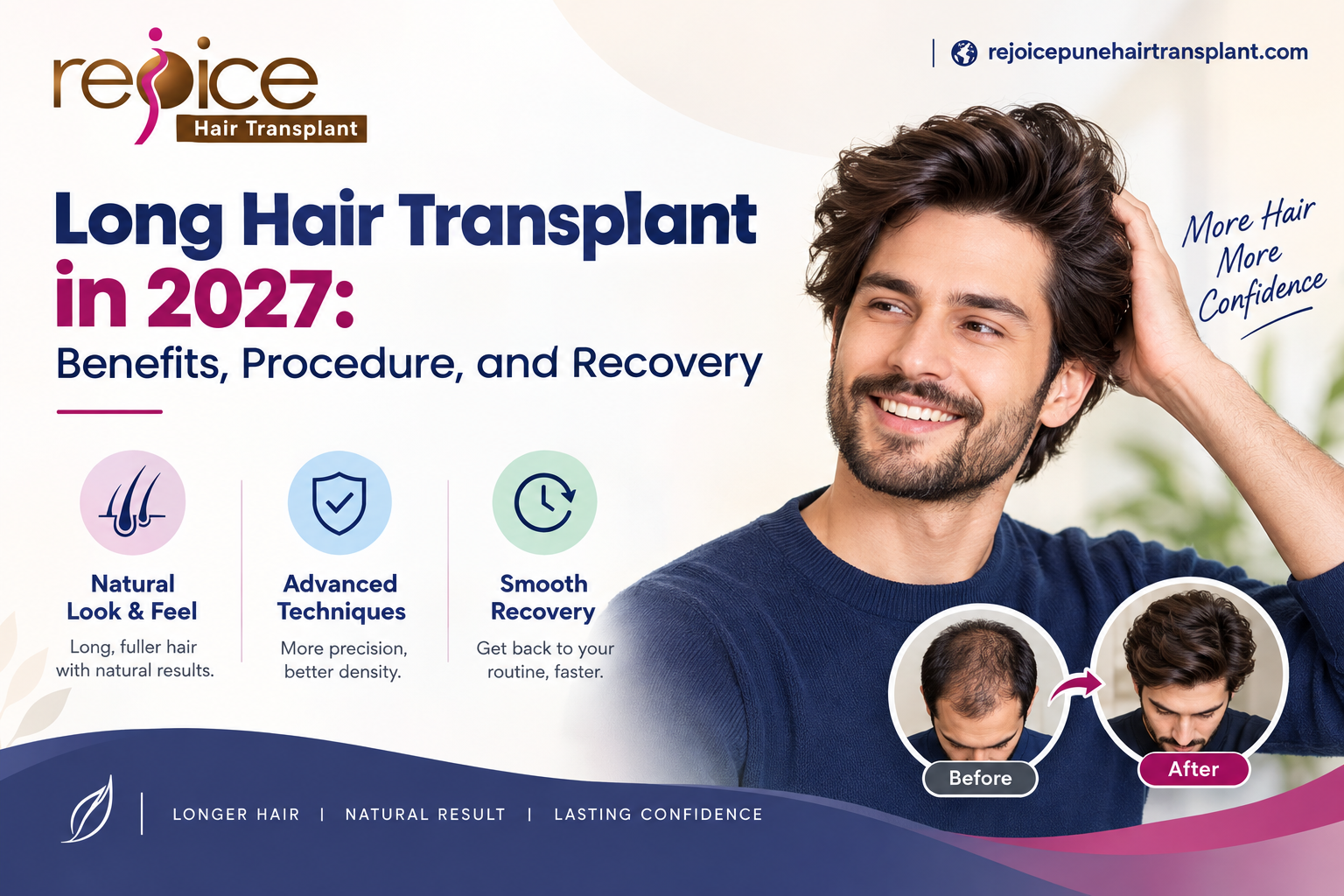
Here is a guide to the benefits, procedure, recovery process, and important factors to consider when considering long hair transplantation in 2027.
What Is a Long Hair Transplant?
A long hair transplant is a hair restoration procedure in which the hair follicles are transplanted but more of the visible hair shaft length is preserved during the procedure. Depending on the technique, this may allow patients to see the placement of longer hairs immediately after transplant.
Most traditional hair transplantation procedures require trimming or shaving of the donor area and some require shaving of the recipient area. Some of the long-hair techniques may save more of the remaining hair length, but may be technically challenging and are not suited to all patients.
It is important to point out that the length of the transplanted hair that is visible right after the surgery does not mean that the hair will grow permanently or that this is the final cosmetic result. In the early healing period, before new growth, transplanted hair may be lost.
Benefits of Long Hair Transplantation
1. Retaining More of Your Existing Hair Length
One advantage of some selected long-hair techniques is the possibility of not shaving the entire scalp for the patients. This can be of particular importance for women wanting to maintain their normal hair style during treatment.
The precise shaving requirements depend on the extraction technique, donor area, hair length and the individual treatment plan.
2. Immediate Visual Assessment
Sometimes the surgeon and patient can use longer hair shafts to help determine the direction and placement of transplanted hairs during the procedure. But the end design of the hairline and long term growth still require careful medical planning.
3. A More Discreet Recovery for Selected Patients
For those patients who are candidates, keeping the hair around the treated area at a normal length may help to camouflage some of the evidence of the procedure. This can be a great option for people who want to go back to work or normal activities without having to make a big change to their hairstyle.
However, swelling, redness, small scabs and temporary changes in appearance may still happen.
4. Personalized Hairline Design
The plan of a hair transplant should take into account the facial proportions, natural direction of hair, density of hair, availability of donor hair and future hair loss. A qualified surgeon can review these factors and determine if the long hair approach is appropriate.
Long Hair Transplant for Women in Pune
There are many reasons why women lose hair — including female-pattern hair loss, traction alopecia, medical conditions, nutritional deficits, and hormonal changes. The choice of treatment depends on the underlying cause.
Women in Pune looking for hair implants for women need to be first medically evaluated for the type and pattern of hair loss. For some women, a transplant may be an option, especially if there is a stable patch of hair loss and enough donor supply. If thinning is diffuse over the whole scalp, a different approach may be necessary.
The problems which may lead to a female hair transplant in Pune are:
- A receding or balding hairline.
- thinning of the temples.
- Areas of permanent or stable loss of hair.
- Selected cases of traction alopecia.
- Hair loss from scarring where medically indicated.
Further tests, medical treatment or other approaches may be needed before surgery. Not every woman is a candidate for transplantation and having realistic expectations is important.
Hair Replacement for Women in Pune: Understanding Your Options
Hair replacement can involve a number of different approaches and it is important to understand the differences before choosing a treatment.
Hair transplantation: Hair follicles from a donor site are transplanted to a site of hair loss. This is a surgical procedure and requires assessment of donor hair availability and long term suitability.
Medical treatment of hair loss: Depending on the cause of hair loss, a doctor may prescribe medication or other treatments to help control the condition and preserve existing hair.
Non-surgical hair replacement: Wigs, toppers and select hair systems can offer cosmetic coverage without transplant surgery.
When you are looking for hair replacement for women in Pune, ask a qualified professional about the options that cover your concerns along with the benefits, limitations, maintenance and risks.
How Does a Long Hair Transplant Procedure Work?
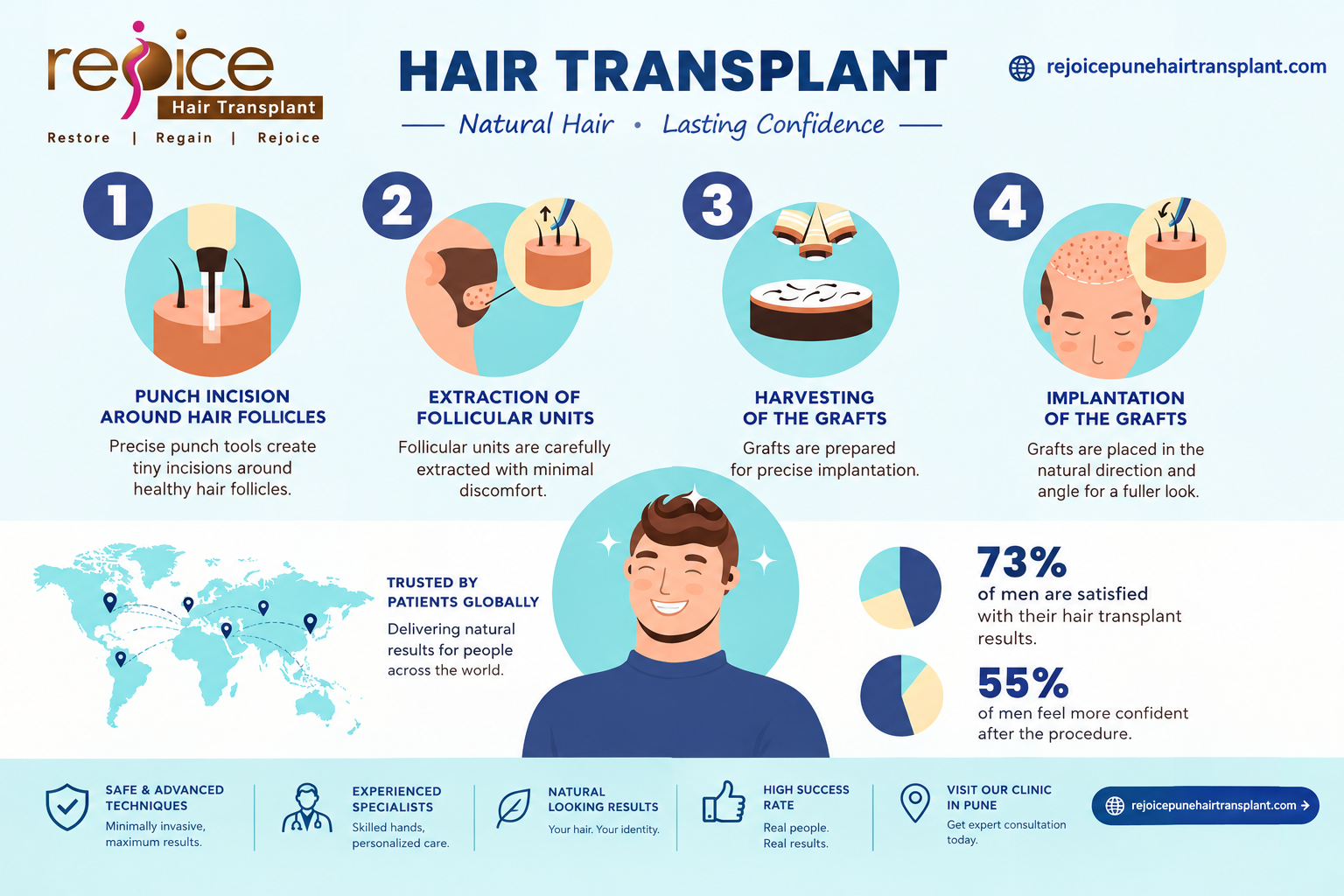
This process usually requires several steps. The exact process will vary depending on the technique chosen and the individual needs of the patient.
Step 1: Consultation & Scalp Analysis
The surgeon takes a detailed medical history examines the scalp and considers the pattern of hair loss and the donor area. Depending on the findings, further investigations may be needed.
Step 2 Treatment Planning
The doctor will discuss your goals, the proposed hairline, the estimated number of grafts, the extraction technique and the results you can expect. You should also be informed about the risks, limitations, costs and requirements for aftercare.
Step 3: Harvest Donor Hair
In some long-hair procedures, the follicle can be harvested with more of the visible hair shaft length remaining. This method is dependent on the technique and the surgeon’s experience.
The technical difficulty of long-hair extraction may be higher than that of conventional methods. Ask the surgeon if they regularly do the specific technique being discussed.
Step 4: Preparing the receiving area
The area to be treated is prepared as described in the treatment plan. The surgeon takes into account the natural direction, angle, distribution and placement of the follicles.
Step 5: Implanting
The prepared follicles are positioned into the chosen areas. The number of grafts and the density that can be achieved depend on the donor availability, the scalp characteristics and the clinical plan.
Step 6: Instructions After Procedure
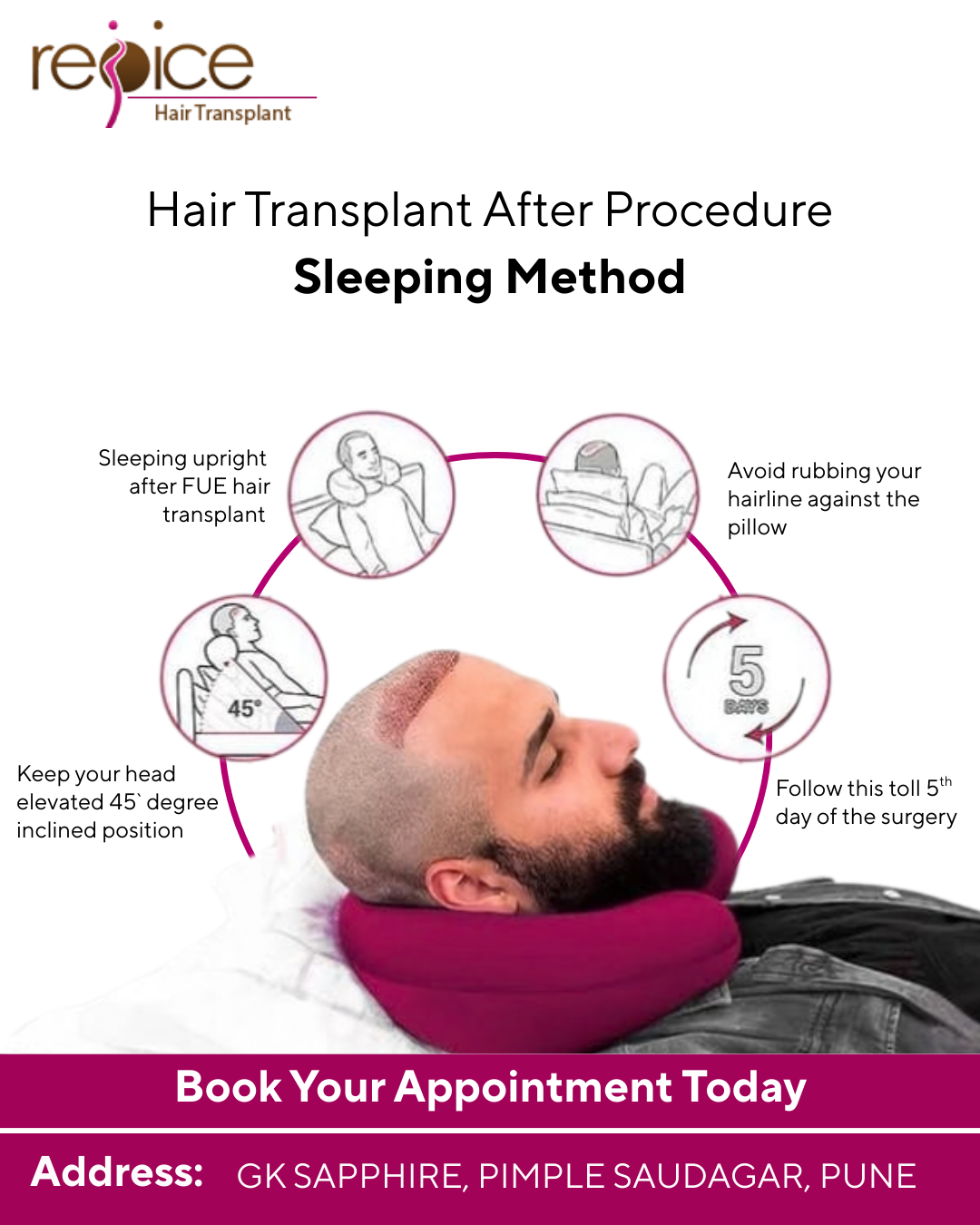
Clear instructions should be given to the patient prior to discharge from the clinic regarding scalp care, washing, sleeping position, medications, physical activity and follow up appointments.
How Long Does Recovery Take After a Long Hair Transplant?

Everyone’s recovery is different. Some patients can return to desk-based work within a few days, but visible signs of the procedure can take longer to settle.
Initial Few Days
Some mild swelling, redness, tenderness and discomfort may occur. Follow your surgeon’s instructions carefully and do not touch or rub the areas that have been treated.
First Two Weeks
The transplanted follicles may form small scabs. Your surgeon will tell you when and how to safely wash your scalp and when you can return to your normal activities.
First Few Months
Transplanted hairs are shed during the first few weeks. This is a normal part of the hair transplant growth cycle, but everyone’s experience is different.
Six to Twelve Months
Over the next months new growth slowly becomes more visible. Many patients will judge meaningful results somewhere in the six to twelve month range, and some may require more time for the final look to emerge.
Call your medical team if you develop any concerning symptoms such as increasing pain, spreading redness, fever, unusual discharge or excessive swelling.
How to Choose the Best Hair Transplant Surgeon in Pune
Selecting the right medical professional is one of the most important aspects of planning your procedure. When looking for the best hair transplant surgeon in Pune, consider the following:
- Medical Qualification: Check the surgeon’s credentials and professional registration.
- Relevant experience: Ask about their experience with the particular long-hair technique being proposed.
- Results: Patient Review true, properly documented cases and inquire about outcomes for patients with similar hair loss.
- Safety specifications: Ensure the clinic uses proper hygiene, sterilization and patient monitoring procedures.
- Individualized therapy: The hair loss pattern, donor area, medical history, and expectations need to be assessed.
- Transparent pricing: Ask for a written quote and clarify what is included.
- Follow-up: Ask about follow-up appointments, recovery support, and who to call if there are any complications.
Watch out for guaranteed results, unrealistic promises of density, and pressure to book surgery before you have had enough medical advice.
Why Consider Rejoice Hair Transplant Pune?
If you are researching about long hair transplantation or female hair restoration, Rejoice Hair Transplant Pune is one of the options you can consider when comparing clinics.
Before you decide on a procedure, schedule a consultation to discuss your hair loss, how much donor hair you have, whether you are a candidate for long hair procedures, what to expect and what your recovery will be like.
Visit Rejoice Hair Transplant Pune to learn more about the clinic and enquire about available services. Verify the qualifications of the doctor responsible for your treatment and ask whether the specific long-hair technique you are considering is offered.
The right treatment plan should be based on your medical needs and realistic expectations, not solely on marketing claims.
Conclusion
For women considering a female hair transplant in Pune or exploring hair replacement options, the first step is to understand the cause of hair loss and discuss suitable treatments with a qualified medical professional.
Ready to explore your options? Visit Rejoice Hair Transplant Pune to enquire about a consultation and learn which hair restoration approaches may suit your needs.
Frequently Asked Questions
1. What is a long hair transplant in Pune?
A long hair transplant is a hair restoration procedure that may preserve more of the visible hair shaft length during transplantation. Technique availability and suitability vary, so consult a qualified surgeon to understand your options.
2. Is a long hair transplant suitable for women?
It may be suitable for selected women with an appropriate pattern of hair loss and sufficient donor hair. A medical assessment is necessary to identify the cause of hair loss and determine whether surgery is appropriate.
3. Are hair implants for women in Pune permanent?
Transplanted follicles can provide long-lasting growth, but outcomes vary. Existing non-transplanted hair may continue to thin, and some patients require ongoing treatment or monitoring.
4. What is the difference between a long hair transplant and a conventional hair transplant?
A long-hair technique aims to preserve more of the visible hair shaft length during the procedure, whereas conventional techniques commonly involve trimming or shaving some of the hair. The surgical method, recovery, and suitability depend on the individual case.
5. How long does it take to see results after a long hair transplant?
Transplanted hairs may shed during the initial weeks. New growth develops gradually over the following months, with many patients assessing results around six to twelve months or longer.
6. How much does a long hair transplant cost in Pune?
The cost depends on the number of grafts, surgical technique, complexity of the procedure, and clinical fees. Ask the clinic for an individualised quotation after your assessment.
7. Can women choose non-surgical hair replacement?
Yes. Depending on their needs, women may consider wigs, hair toppers, medical hair loss treatments, or other non-surgical options. A qualified professional can help determine which approach is appropriate.